 EN
EN  ES
ES Discover Colombia
The Colombian Carriel: from the mountain trails to the world
Some objects transcend their function. The Colombian Carriel is not simply a leather bag: it is a living archive of identity, effort and land. It was born on the impossible roads of western Colombia, traveled by mule across the coffee-growing cordilleras, and today reaches the hands of a new generation that carries it with the same dignity as their grandparents did before them.
The story of the Carriel is inseparable from the story of Colombian coffee. In the mid-19th century, when the coffee boom began to transform the economic geography of the country, thousands of arrieros traveled the bridle paths that connected the farms to the ports. They carried the beans on their mules, their lives on their backs and, always, the Carriel crossed over their chest or hanging from one shoulder.
The name that comes from English, the soul that comes from the land
The name “Carriel” derives from the English carry-all — literally “carry everything.” The word arrived in Colombia with the Anglo-Saxon merchants who frequented the Caribbean ports in the 19th century. But it was in Nariño and the Coffee Region where the object found its definitive form: cattle leather tanned with ancestral methods, multiple secret pockets, bronze or brass hardware, and a structure that combined robustness with discreet elegance.
The first Carriels were utilitarian objects of the highest order. Their pockets held everything: cash, land deeds, folded prayers on paper, correspondence, tobacco, a rosary, a penknife. The Carriel was an extension of the muleteer’s body — a portable safe in times when there was no other.
“He who has no Carriel has nowhere to arrive. He who has nowhere to arrive has nothing.” — Popular saying from the Coffee Region
A symbol of identity: the Carriel in Paisa culture
In the Paisa region, the Carriel became much more than an accessory. It was, and still is, a cultural marker of the highest importance. Carrying one was a declaration of belonging, of honest work, of a life in motion. Coffee-growing families passed their Carriels from parents to children as inheritances as valuable as the land itself.
The making of the Carriel became a specialized craft concentrated mainly in the municipalities of Nariño and the Antioquian region. Saddlemakers developed their own techniques: vegetable tanning with guayabo or encenillo bark, sewing with waxed cotton thread, selection of back leather — the firmest part of the animal, with tighter fibers — and the handfinishing of every pocket and strap keeper.
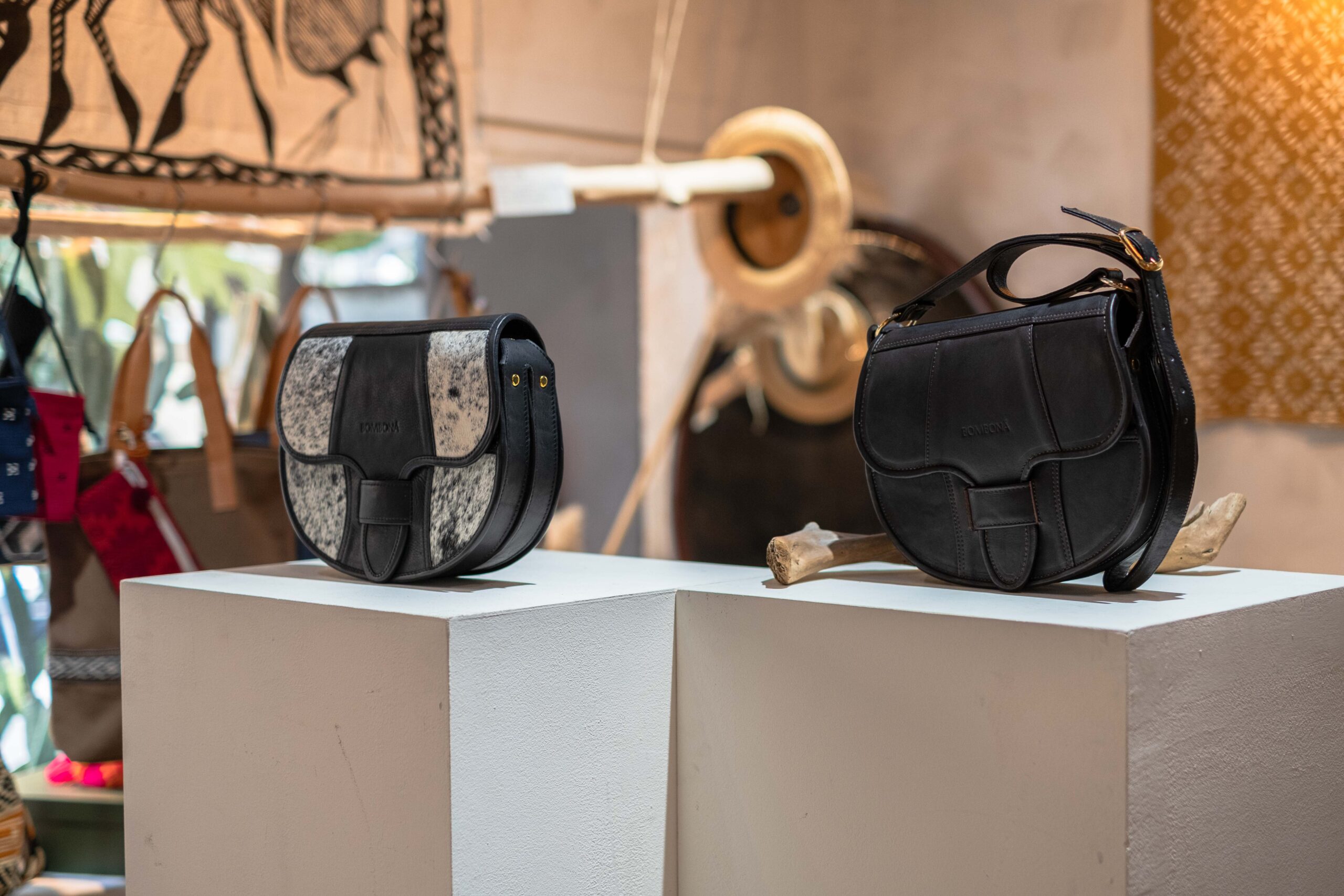
The shape of the classic Carriel has impeccable functional logic. The front flap protects the main pocket from water and road dust. The bronze hardware is not decoration: it resists the oxidation of Andean humidity better than any other metal. The side pockets, double-stitched, bear the weight of coins and tools without giving way. It is a design that has been silently perfected for two hundred years.
From the mountain trail to the world: the Carriel in the 21st century
In recent decades, the Colombian Carriel has experienced a remarkable renaissance. International brands such as Gucci and Louis Vuitton identified in its silhouette — wide, generous, with a front flap — an aesthetic reference that anticipated many of the trends in contemporary luxury. The “saddlebag” that walks the runways of Milan today is, in many respects, an echo of the Carriel that Colombian muleteers were carrying long before fashion discovered it.
But the true renaissance does not come from outside. It comes from Colombian designers and artisans who have decided to reclaim the piece from their own territory: updating proportions, working with new leather finishes, incorporating fine hardware and adapting the Carriel to the rhythms and needs of the contemporary woman.
“The Carriel does not need to be reinvented. It needs to be remembered with precision, and carried with pride.” — The Bomboná Team
Bomboná and the heritage carried by hand
At Bomboná, the decision to work with the Carriel as our central piece was not a commercial one: it was a conviction. Every model that leaves our workshop in Nariño carries full-grain leather — the highest level of quality, where the surface of the leather has not been sanded or corrected — forged bronze hardware and hand-stitched seams made by artisans who, in many cases, inherited the craft from their parents.
We do not manufacture in series. Every Bomboná Carriel goes through more than forty manual steps before it reaches your hands. Skin selection, cutting, edge finishing, two-needle stitching, hardware setting, leather conditioning, quality review. A process that takes between three and five days per piece and admits no shortcuts.
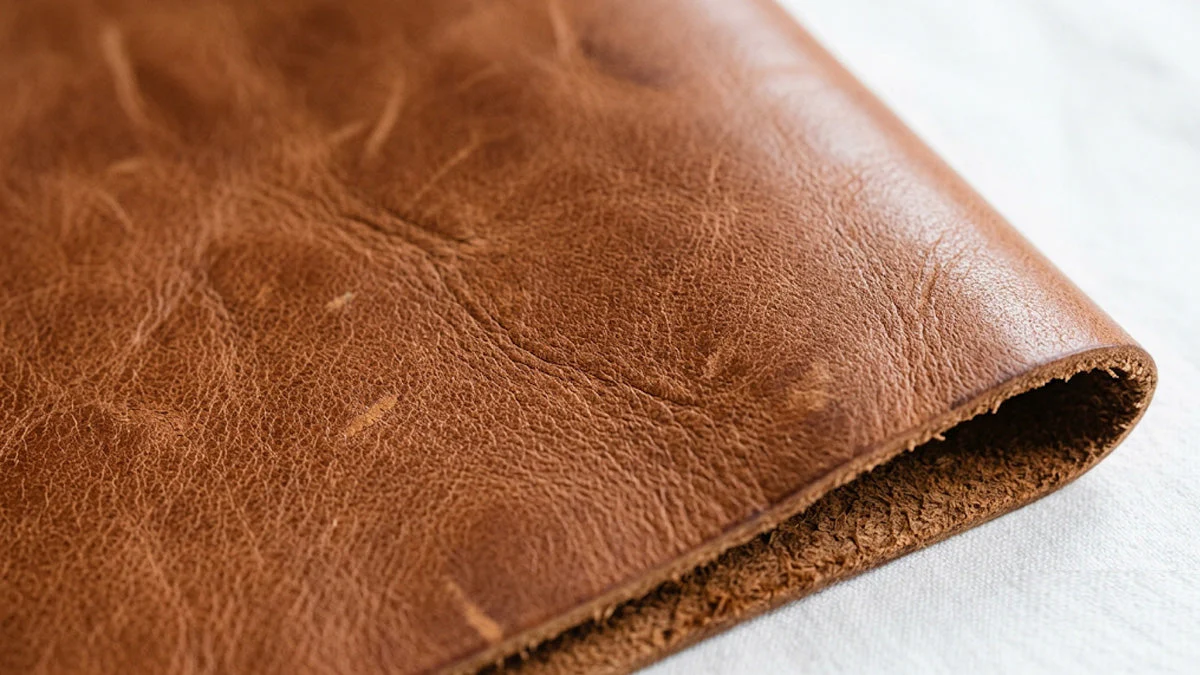
The result is an object that ages well. Full-grain leather develops with use a unique patina — a progressive darkening and softening of the surface — that causes every Carriel to tell, over time, the story of the person who carries it. That is the difference between an accessory and a legacy.
The Colombian Carriel arrived in the world loaded with earth and coffee. Today it arrives loaded with city, with decisions, with presence. The shape has changed little. The soul, not at all.
You might also be interested in
Bomboná World
How to care for your Bomboná Carriel so it lasts decades
A Bomboná Carriel is not a seasonal accessory. It is a piece made to...
Bomboná World
Full-grain leather: why every fiber matters
In the leathergoods industry there is a silent scale. Nobody announces it in catalogues,...